











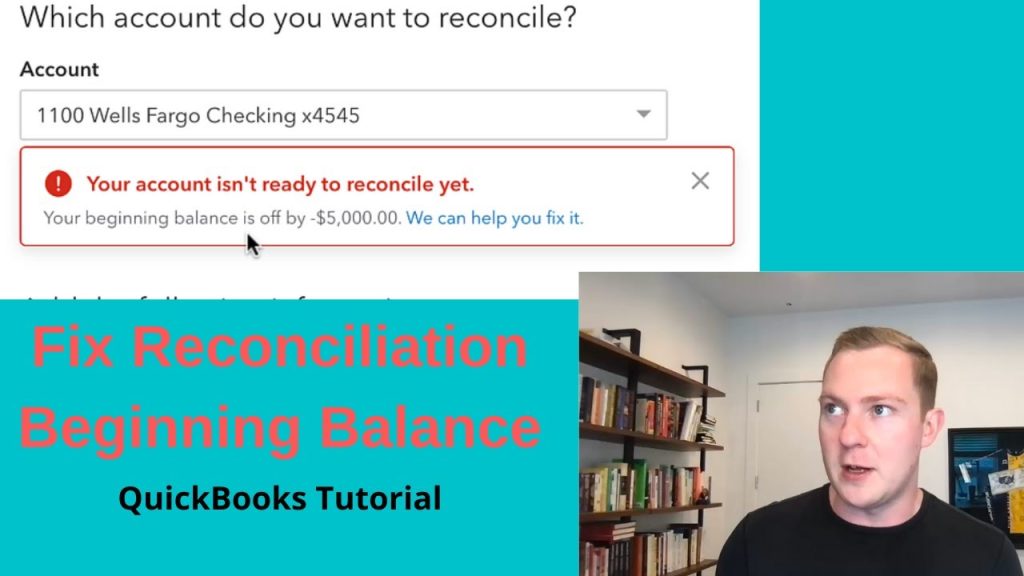

If the company has inventory, the opening balance equity account should be adjusted to reflect the correct inventory value. This can be done by creating a journal entry to debit the inventory account and credit the opening balance equity account or vice versa. When setting up a new company file, QuickBooks will prompt users to enter the opening balances for each customer account. When setting up a new bank account in QuickBooks, users law firm chart of accounts will be prompted to enter the opening balance.
Leveraging Accounting Software

The closing balance on such an account is retained and carried assets = liabilities + equity forward to the immediately next financial year. The opening balance of any real account is the value of a particular class of account on the first day of the financial year. It represents the brought forward or opening amount of an asset, liability, or equity item from the preceding financial year. By using your opening and closing balance with Big Red Cloud, you’ll get those insights in an easy to understand way.
Next PostWhat’s the Difference between a Cash and Credit Transaction?
Although the percentage is smaller, it still offers significant savings, especially for companies with high transaction volumes. Over a fiscal year, these incremental savings accumulate, positively impacting the business’s financial health. The 2/10 Net 30 discount offers a 2% reduction on the invoice total if buyers remit payment within 10 days, as opposed to the standard 30-day term. Failing to take advantage of this opportunity can result in increased expenses, as the discount effectively reduces the payable amount.
- If a business is just starting up, then the opening balance is the first figure entered into the accounts of that business.
- The International Financial Reporting Standards (IFRS), which are used in many countries outside of the United States, also recognize the concept of Opening Balance Equity.
- An opening balance sheet contains the beginning balances at the start of a reporting period.
- Financial professionals often scrutinize the Opening Balance Equity account to ensure that the balances are being correctly resolved.
- The closing balance recorded in the year-end account is brought forward and is identical to the opening balance at the beginning of the next accounting period.
- In case of a lingering balance, it can lead to incorrect bank reconciliation adjustments.
Your Field Guide for Managing Quirky Work Personalities
- The first is that calculating your opening balance is a simple, effective way of analysing your company’s performance, tracking trends, and spotting any problems with earnings or spending.
- It is simply an automated function programmed into accounting software demonstrating an issue with the previous term’s balance sheet.
- Terms such as B/D (brought down) and C/D (carried down) are particularly important, as they represent the opening and closing balances, respectively.
- On the other hand, using the right best practices, technologies, and testing makes open invoice management a whole lot easier — while reducing errors.
- It’s brought forward from the closing balance of the previous accounting period.
- An overdue invoice, on the other hand, is one where the payment deadline has passed without receipt of payment.
To find the closing balance of an accounting period, calculate the total credits and total debits for that period, and work out the difference between them. This balance is what you’ll bring forward as your opening balance in the new accounting period. Another component of open invoice testing is verifying the seamless integration between invoice management software and existing accounting frameworks.
Equity
A high number of outstanding invoices may result in liquidity challenges, which cause delays in meeting financial commitments and hinder operational flexibility. They can also lead to inaccuracies in financial statements, complicating financial planning and risk management. And while the majority of organizations still manage these processes manually, many businesses have adopted automated accounts opening balance equity payable solutions like Airbase to streamline AP processes and reduce manual action. The opening balance is calculated by taking the amount of cash present on the first day of the month and adding any total income minus total expenses from the previous period. If you’re unsure about any aspect of your taxes or need assistance with financial tax planning, consulting tax advisors at Sleek will save you time, money, and potential headaches.


Yes, a negative opening balance can occur if a business’s liabilities exceed its assets. If you’ve just started a new business, or it’s your first time managing the accounts, you’re probably discovering a lot of unfamiliar terms. If a business is just starting up, then the opening balance is the first figure entered into the accounts of that business. Owner’s equity is the proportion of company assets that the business owners can claim. It is calculated by taking the amount of money the owner of a business has invested and subtracting all liabilities and debt. Ensuring all finances are accounted for will make filing your income taxes much easier.
- Opening Balance Equity serves as a repository for any initial equity that a company has when it first establishes its financial records or transitions to a new accounting system.
- You can keep track of your accounts and get a real-time snapshot of your company’s financial health at any given time with just a few clicks.
- Accurate opening balances are essential for compliance with tax authorities and providing information to investors.
- Understanding how to calculate the opening balance is essential for maintaining accurate financial records and making informed business decisions.
- The opening balance account may not display on the balance sheet in case the balance is zero.
The Top 10 Vendor Management Software Solutions for 2024
Any errors in recording this account can have a significant impact on a company’s financial statements and may result in penalties or fines. Therefore, it is important for businesses to ensure that their accounting records are accurate and up-to-date. Financial professionals often scrutinize the Opening Balance Equity account to ensure that the balances are being correctly resolved. This scrutiny is part of the process of establishing a solid foundation for the company’s financial records. As transactions are recorded over time, the balance in Opening Balance Equity should diminish, signifying that the company’s financial activities are being accurately reflected in its financial statements.
